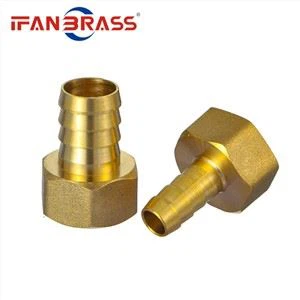
Informacje o produkcie:
Ten mosiężny męski Coude jest łącznikiem hydraulicznym pod IFAN. Głównym materiałem jest mosiądz z gwintami zewnętrznymi, który można łączyć z innymi kształtkami. Brass Male Coude to armatura typu 02. W porównaniu z armaturą typu 01 kolor jest ciemniejszy, a jakość jaśniejsza.
Brass Male Coude is made of CW617 brass raw material, made by bar turning or stamping hot forging, etc. It is a brass fitting for the connection of pipes, allowing 90º direction change. It is externally threaded on one end, allowing for internal threaded connections.

Rozmiar produktu:
Rozmiar | PUDEŁKO SZT | Waga | ROZMIAR CTN |
L3/8FM" | 400 | 33 | 0.015 |
L1/2"FM | 360 | 47 | 0.015 |
L3/4FM | 200 | 85 | 0.015 |
L1FM | 110 | 140 | 0.015 |
1"1/4FM | 60 | 222 | 0.015 |
1"1/2FM | 40 | 298 | 0.015 |
2"FM | 30 | 470 | 0.015 |
Cechy produktu:
Plumbing is one of the radiant floor heating, and it is also the most popular heating method at present. It is quite advantageous compared to electric heating. Plumbing is through the ground coil, there is circulating hot water in the pipe, through the heat medium in the floor radiant layer, the entire ground is evenly heated, and the ground's own heat storage and heat radiation are conducted from bottom to top. heating purpose. Since the temperature gradient gradually decreases from the sole of the foot to the head is formed indoors, it gives people a comfortable feeling of warm feet and cool head. Floor radiant heating conforms to the traditional Chinese medicine's fitness theory of "warm feet and cool tops", and is currently the most comfortable heating method.

Konstrukcja gruntu wodnego ogrzewania podłogowego: warstwa termoizolacyjna, warstwa grzewcza, warstwa akumulująca ciepło. Warstwa izolacji termicznej jest często nazywana płytą termoizolacyjną, warstwa grzewcza to rura grzewcza, a warstwa akumulująca ciepło to warstwa cementu. Oprócz wysokości podłogi lub płytek podłogowych część ogrzewania podłogowego zajmuje wysokość podłogi około 5,5 cm. Rury doprowadzające wodę do grzejników są zazwyczaj zakopane pod ziemią. Jednak rury są bezpośrednio zakopane w betonie i nie zajmują bezpośrednio wysokości podłogi.